
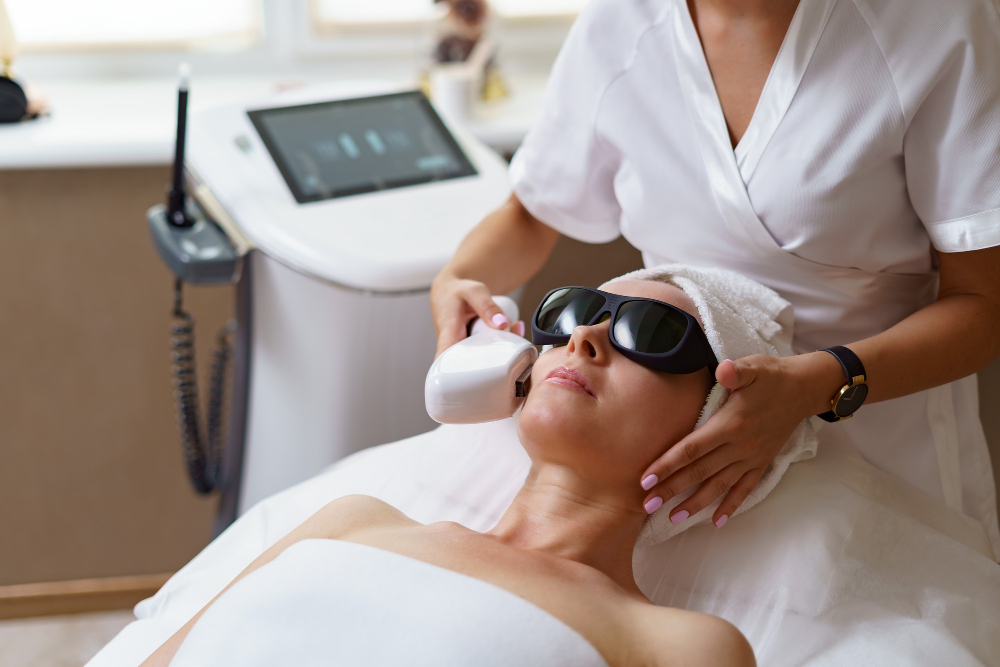
Facial spasms—whether occasional twitches or chronic, involuntary contractions—can be unsettling, painful, and even socially distressing. For those affected, finding effective facial spasm treatment is a top priority. Fortunately, medical advancements and holistic approaches offer numerous solutions to manage and alleviate these symptoms.
In this in-depth guide, we’ll explore:
✔ What causes facial spasms?
✔ Common types of facial spasms
✔ Diagnosis and medical treatments
✔ Natural and alternative remedies
✔ Prevention and long-term management
By the end of this article, you’ll have a clear understanding of the best treatment options available and how to regain control over your facial muscles.
Understanding Facial Spasms: Causes and Symptoms
Facial spasms are involuntary muscle contractions that can range from mild eyelid twitches (myokymia) to severe, chronic conditions like hemifacial spasm. These spasms may occur due to:
1. Nerve Irritation or Compression
-
Hemifacial spasm (HFS): Often caused by a blood vessel pressing on the facial nerve (cranial nerve VII).
-
Bell’s palsy: Temporary facial paralysis that may trigger spasms during recovery.
2. Neurological Disorders
-
Dystonia: A movement disorder causing sustained muscle contractions.
-
Tourette syndrome: May include facial tics.
-
Multiple sclerosis (MS): Can affect nerve signaling, leading to spasms.
3. Lifestyle and Environmental Triggers
-
Stress and fatigue
-
Caffeine or alcohol consumption
-
Magnesium or vitamin B12 deficiency
-
Eye strain (digital screens, poor lighting)
4. Medication Side Effects
Certain drugs, such as those for Parkinson’s or ADHD, may induce muscle twitching.
Types of Facial Spasms
Not all facial spasms are the same. Here are the most common types:
1. Eyelid Twitching (Myokymia)
-
Symptoms: Mild, repetitive fluttering of the upper or lower eyelid.
-
Causes: Stress, lack of sleep, caffeine.
-
Treatment: Usually resolves on its own; reducing stress helps.
2. Hemifacial Spasm (HFS)
-
Symptoms: Uncontrollable spasms on one side of the face, often starting near the eye and spreading.
-
Causes: Blood vessel compressing the facial nerve.
-
Treatment: Botox injections, microvascular decompression surgery.
3. Facial Dystonia (Meige Syndrome)
-
Symptoms: Repetitive jaw, tongue, or eyelid movements.
-
Causes: Neurological dysfunction.
-
Treatment: Botox, muscle relaxants, deep brain stimulation in severe cases.
Diagnosing Facial Spasms
If spasms persist, a neurologist may recommend:
✔ MRI or CT scans (to check for nerve compression or tumors)
✔ Electromyography (EMG) (to assess muscle and nerve function)
✔ Blood tests (to rule out deficiencies or thyroid issues)
Medical Treatments for Facial Spasms
1. Botox (Botulinum Toxin) Injections
-
How it works: Temporarily paralyzes overactive muscles.
-
Effectiveness: 90% success rate for hemifacial spasms (lasts 3-6 months).
-
Side effects: Mild bruising, temporary drooping.
Learn more about Botox for facial spasms: American Academy of Neurology
2. Oral Medications
-
Muscle relaxants (Baclofen, Clonazepam)
-
Anticonvulsants (Carbamazepine, Gabapentin)
-
Beta-blockers (Propranolol for stress-related twitching)
3. Microvascular Decompression (MVD) Surgery
-
Best for: Hemifacial spasms caused by nerve compression.
-
Success rate: 85-90% long-term relief.
-
Risks: Hearing loss, facial weakness (rare).
Read about MVD surgery: Mayo Clinic
4. Physical Therapy & Biofeedback
-
Helps retrain muscle control through exercises and relaxation techniques.
Natural & Alternative Treatments
For those seeking non-invasive options:
1. Stress Reduction Techniques
-
Yoga, meditation, deep breathing
-
Adequate sleep (7-9 hours nightly)
2. Dietary Adjustments
-
Magnesium-rich foods (spinach, almonds, bananas)
-
Vitamin B complex (supports nerve health)
-
Hydration (dehydration worsens muscle cramps)
Nutrition tips for nerve health: Harvard Health
3. Acupuncture & Chiropractic Care
-
May relieve nerve pressure and improve muscle function.
4. Warm Compresses & Massage
-
Relaxes tense facial muscles.
Preventing Facial Spasms
✔ Limit caffeine and alcohol
✔ Wear blue-light glasses if screen time is high
✔ Practice good posture (reduces nerve strain)
✔ Stay hydrated and manage stress
When to See a Doctor
Seek medical attention if spasms:
-
Last more than a few weeks
-
Spread to other parts of the face
-
Cause pain or vision problems
Final Thoughts
Facial spasms, while often harmless, can significantly impact quality of life. The right facial spasm treatment—whether medical, surgical, or natural—can provide relief and restore confidence. If you’re struggling with persistent spasms, consult a neurologist to explore the best options for your condition.
For further reading, visit: National Institute of Neurological Disorders and Stroke
Would you like a deeper dive into any specific treatment? Let me know in the comments!